Statement by NSF Director Sethuraman Panchanathan on the President's FY23 budget
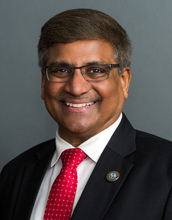
(March 28, 2022) The Biden-Harris administration has submitted to Congress the President's budget request for Fiscal Year 2023. The President’s budget, which includes $10.5 billion for the U.S. National Science Foundation, details his vision to expand on the historic progress the country has made over the last year and deliver the agenda he laid out in his State of the Union address – to build a better America, reduce the deficit, reduce costs for families, and grow the economy from the bottom up and middle out.
“We are excited about the Fiscal Year 2023 budget request which reflects the confidence that the President is placing in our agency and the critical role that NSF plays to keep our country at the forefront of science, engineering and education research and innovation,” said NSF Director Sethuraman Panchanathan. “This request makes crucial investments in NSF’s mission, which is vital to the nation's competitiveness, prosperity, and national security. With the continued strong support from the Administration and Congress, NSF will lead transformational developments that will benefit the American people and shape the future of innovation.”
The budget makes critical investments in American science, innovation, and the workforce that will help lay a stronger foundation for shared growth and prosperity for generations to come. At NSF, in addition to investing in the vibrant fundamental research across all areas of science and engineering, the budget would:
- Advance equity in science and engineering. $393 million will fund programs that aim to broaden the participation in science and engineering of groups that are underserved and underrepresented in these fields. Funding will support new and existing programs at historically Black colleges and universities and minority-serving institutions. An additional $247 million is provided to support EPSCoR jurisdictions. Programs will focus on designing curriculums; researching successful recruitment and retention methods; developing outreach or mentorship programs and fellowships; and improving science and engineering research and education capacity.