SOUTH CAROLINA: $648,898 USDA NIFA study finds native grasses may hold key to growing crops in drier climates
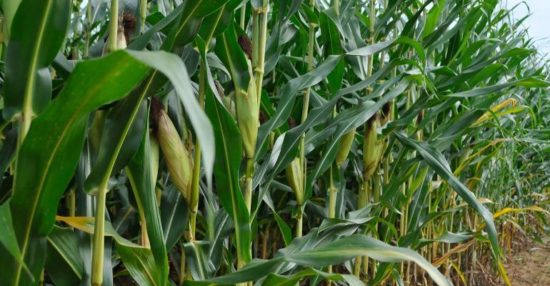
Clemson University scientists have received $649,898 from the USDA NIFA to study how microorganisms from ruderal grasses – native plants regarded as weeds – can help corn thrive in dry soil, a protective measure against the increase in droughts brought by climate change.
Drought can cause issues for grain crops and three Clemson University scientists are working to get to the root of the problem.
The scientists believe crops have a lesson or two to learn from their weedy relatives when it comes to growing in drier soils. The trick is to harbor beneficial microorganisms on and around the roots to enhance the ability of plants to withstand harsher environments.
“In an effort to make corn more drought-tolerant, we will devise strategies to identify and transfer beneficial microorganisms from the ruderal grasses to corn,” said interdisciplinary team leader Vidya Suseela, assistant professor in the Department of Plant and Environmental Sciences. “Plant root-associated microbial communities (microbiomes) can stimulate plant growth and enhance plant tolerance to environmental stress such as drought. Utilizing root-microbiome interactions thus offers a promising path to impart drought tolerance in crops, particularly in the face of changing climate.”