RHODE ISLAND: Researchers, local partners receive $1.4M NIH funding to reduce disparities in COVID-19 vaccination, testing
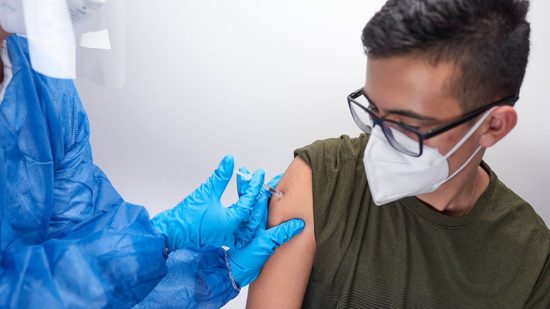
With support from a new NIH $1.4M Rapid Acceleration of Diagnostics for Underserved Populations (RADx-UP) initiative grant, Brown University researchers and local community organizations are working to address barriers to COVID-19 testing and vaccination among the Latinx population as well as high-risk children in Rhode Island. Underserved communities, including Hispanic and Latinx populations, tend to have lower rates of vaccinations even in a state like Rhode Island, which has higher-than-average vaccination rates.
The project is designed to address disparities in access to health care in the U.S. brought to the forefront by the COVID-19 pandemic, the researchers noted. Underserved communities, including Hispanic and Latinx populations, tend to have lower rates of vaccinations even in a state like Rhode Island, which has higher-than-average vaccination rates.
“As we are anticipating that vaccinations will soon be available and FDA-approved for children, this project is extremely timely,” said project leader Dr. Sharon Rounds, associate dean for clinical affairs at Brown and a professor of medicine. At the same time, testing remains an essential tool in addressing outbreaks, she said.
The new funding to Brown marks the second phase of a RADx-UP grant to the University in partnership with Progreso Latino, a nonprofit that serves Rhode Island’s Latinx and immigrant communities, and the Rhode Island Quality Institute, which collects and analyzes health care data from across the state.