NORTH DAKOTA: NATURE at 25: Fostering Indigenous STEM education, cultural relevance, and collaboration
“This frosting of the [sunflower] seeds had an effect upon them that we rather esteemed. We made a kind of oily meal from sunflower seed, by pounding them in a corn mortar; but meal made from seed that had been frosted, seemed more oily than that from seed gathered before frost fell. The freezing of the seeds seemed to bring the oil out of the crushed kernels. This was well known to us. Sometimes we took the threshed seed out of doors and let it get frosted, so as to bring out this oiliness.” Maxi'diwiac (Buffalo Bird Woman), Hidatsa farmer
Whether it’s agriculture, astronomy, or medicine, Indigenous peoples are natural scientists and have long practiced science before the term “science” existed. Indigenous cultural traditions and ways of life are at the core of these practices.
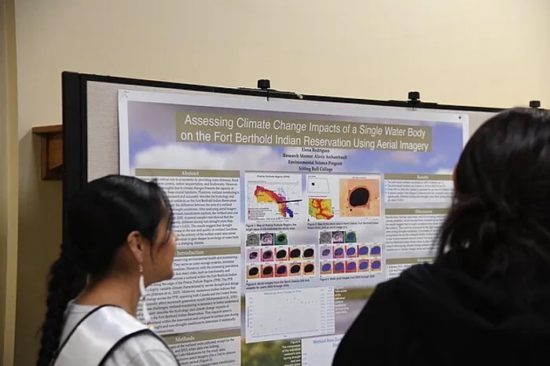
As the North Dakota Established Program to Stimulate Competitive Research (ND EPSCoR) program celebrates the 25th anniversary of its NATURE initiative — a program aimed at promoting STEM among tribal youth in North Dakota — it's a moment not only to commemorate past achievements but also to chart the course for the program's future.

What is the NATURE program?
NATURE, which stands for Nurturing American Tribal Undergraduate Research and Education, embodies a vision rooted in Indigenous culture and practices with respect for the natural environment while sparking curiosity and interest in future generations for STEM pathways by blending two worlds.
In one world, Indigenous people live as one with Unci Maka (Grandmother Earth) and thrive on the ancestral knowledge of various sciences passed on throughout centuries through oral and hands-on teachings. The other world advances research and STEM pathways with today’s knowledge, technologies, and needs. Through an Indigenous lens, these worlds are one in the same.