NEW HAMPSHIRE: UNH Scientists Share $13M in Grants to Study Benefits of Feeding Dairy Cows Seaweeds
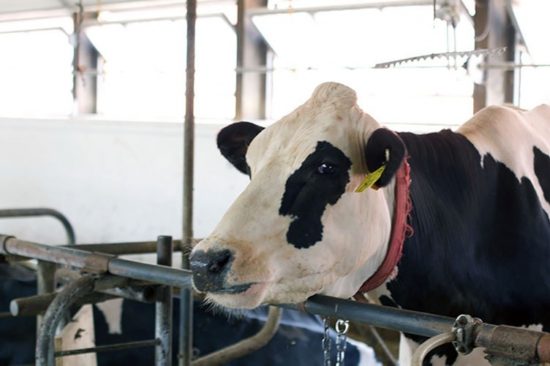
Most people are unlikely to associate seaweed with dairy production. But University of New Hampshire scientists will be working to change that, sharing two USDA NIFA grants totaling nearly $13M to investigate supplementation of dairy cow diets with seaweed to reduce greenhouse gas emissions and improve milk quality and animal health.
Dairy farmers continue facing finance uncertainties and are increasingly looked to for helping contribute toward the goal of agricultural production being a mitigator of climate change. The agricultural industry is responsible for 10 percent of the planet’s greenhouse gas emissions, according to the EPA. Livestock, especially ruminants such as cattle, represent more than a quarter of the emissions of methane, which is produced as part of the normal digestive processes. Scientific innovation in feed management could help reduce these environmental effects in a cost-effective manner.
“One of the unique aspects of this project is our focus on how seaweed supplements might affect the flow of nutrients from manure to soils and then back to the forages that cows eat. It is not known how compounds within the seaweed might change the nutrient profile of manure, which has implications for soil health,” said Alexandra Contosta, research assistant professor with the UNH Earth Systems Research Center at the Institute for the Study of Earth, Oceans, and Space.