NEBRASKA: Nebraska part of $6M multi-state ag effort to unwrap bioplastic benefits
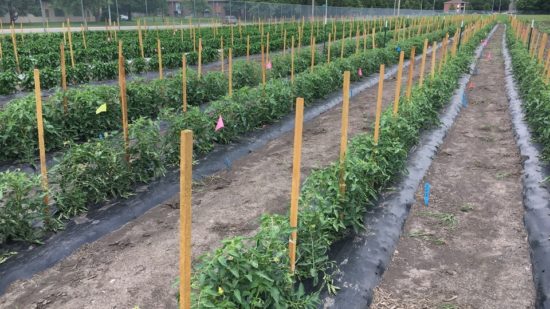
University of Nebraska-Lincoln researchers are part of a new $6M NSF EPSCoR Track-2 grant to develop bioplastics for use in agriculture over the next four years.
The project includes a consortium of 15 researchers from the University of Nebraska-Lincoln, Kansas State University and the South Dakota School of Mines and Technology. The researchers asked each other what they could do that was truly novel. Their answer was “Bioplastics with Regenerative Agricultural Properties,” or BioWRAP. The project aims to reduce the use of plastics, herbicides, fertilizers and associated environmental impacts in agricultural production by creating an all-in-one bioplastic system that can better manage weeds, add nutrients to soils, improve soil and plant health, and save water.
The project is funded through NSF’s Established Program to Stimulate Competitive Research Research Infrastructure Improvement Program Track 2. Successful projects involve a consortium of three or more EPSCoR jurisdictions (states) and may receive up to $1.5 million per year for up to four years.
BioWRAP draws from an array of scientific disciplines that fall into three major buckets – engineering biopolymers, strengthening agroecosystems, and assessing broader impacts. The general concept of bioplastics is to develop biodegradable plastics through renewable, biological substances rather than from finite petroleum-derived sources.
BioWRAP will launch in early 2022 and run through 2025. Over that period, each university will receive $2 million in project funding and host an annual meeting of the consortium’s stakeholders, advisory board, research faculty, postdocs, and graduate, undergraduate, and secondary education students.