IDAHO: Extreme Yellowstone Flooding is Focus of Research by NSF EPSCoR researcher
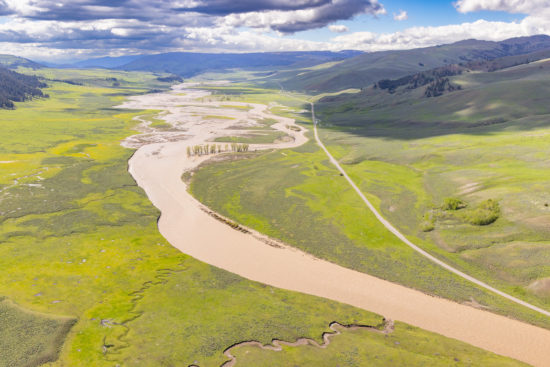
Idaho NSF EPSCoR Track-1 GEM3 Lead Wins NSF RAPID Award to Study Extreme Yellowstone Flooding. Recently, Colden Baxter, Idaho State University, was awarded $100,000 to study how the 1 in 500-year extreme flooding event in June 2022 impacted streams in the headwaters of the Yellowstone and Lamar Rivers. Funded by the NSF’s Rapid Response Research program, Baxter and his doctoral student, Jeremy Brooks, will be measuring the abundance and diversity of the fish and insects like mayflies and midges that call the streams and the riparian ecosystems along their banks home.
“While these floods can be devastating for our roads, bridges, and homes, it is unclear exactly how stream and riparian ecosystems will respond,” said Baxter. “The current thought among scientists is that when an extreme disturbance - like a flood or fire - happens, these ecosystems will experience a hard reset. Yet, past research from Yellowstone following the extreme fires of 1988 showed that the Yellowstone ecosystem is resilient to - and may even benefit from — such extreme disturbances. As the climate of our region continues to change rapidly, rain-on-snow events like the one we had in 2022 will become more common and, as a result, we can expect more extreme disturbances like the event in Yellowstone in the coming years.”