HAWAI'I: $11.7M grant renewal advances diabetes research in Hawaiʻi
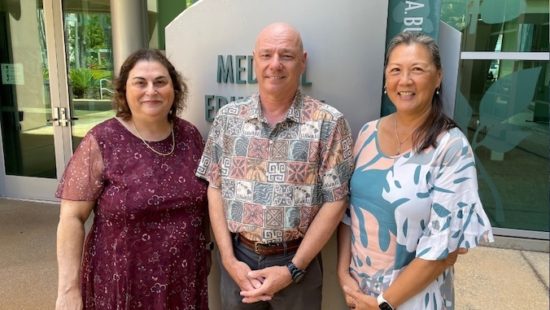
Diabetes affects 10% of Hawaiʻi‘s population, with another 37% living with pre-diabetes, according to the American Diabetes Association. To address this significant health issue, the University of Hawaiʻi at Mānoa’s John A. Burns School of Medicine (JABSOM) secured a $11.7 million National Institutes of Health (NIH) five-year grant renewal for its Diabetes Research Center, originally funded with $11.3 million in 2017.
“Living in Hawaiʻi, many of us have diabetes or know someone who has it, so it is our obligation as researchers in Hawaiʻi to investigate problems that affect the people of this state,” said Mariana Gerschenson, JABSOM associate dean for research and director of the Diabetes Research Center. “The renewal of this grant allows us to continue to do this critical research, and we are excited about starting Phase 2 of this research, which will explore the impact diabetes has on other parts of the body.”
Originally, the NIH-funded Centers of Biomedical Research Excellence (COBRE) grant enabled JABSOM to study the mechanisms behind diabetes and pre-diabetes using cell and animal models. This initiative also facilitated the training of five young investigators across UH Mānoa to continue to contribute to local research and education.
“This is a very exciting time for us to have the opportunity to give young people in Hawaiʻi an opportunity to study this abundant disease and its complications here at home,” said Majorie Mau, the center’s deputy director and professor in the Department of Native Hawaiian Health.