ARKANSAS: UAMS researchers begin $1M 3-year study to detect drug-resistant bacteria on raw veggies
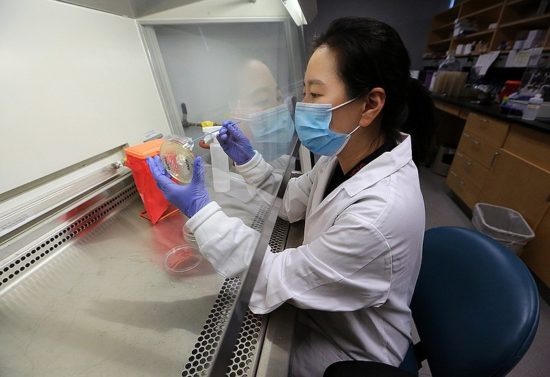
University of Arkansas researchers are studying whether raw vegetables contain antibiotic-resistant bacteria with the help of a $1 million grant from the USDA. Regulatory authorities inspect for antibiotic-resistant bacteria in animals killed for meat and dairy but not in vegetables, which are often eaten uncooked.
While food safety regulations require inspectors to monitor antibiotic-resistant bacteria in retail meat and food production animals, there is no such mandated oversight for vegetables. The lack of oversight could potentially lead to people eating produce laced with dangerous germs. Considering vegetables are often eaten raw, there is a chance that drug-resistant bacteria on the produce could cause hard-to-treat infections in consumers.
The lack of oversight could potentially lead to people eating produce laced with dangerous germs. Considering vegetables are often eaten raw, there is a chance that drug-resistant bacteria on the produce could cause hard-to-treat infections in consumers, according to En Huang, lead researcher of the study and an assistant professor at the University of Arkansas for Medical Sciences in Little Rock.
The U.S. Department of Agriculture awarded Huang and his colleagues $1 million to conduct their research after the team carried out a pilot study. The grant was among more than $5 million the agency funneled into researching antibiotic-resistant bacteria earlier this year. As the UAMS-led team conducts their study, scientists at institutions around the U.S. will be investigating drug-resistant bacteria in other parts of the food chain -- from citrus production in Florida to broiler chickens in Connecticut.