Research Highlights
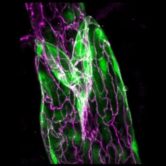
SOUTH DAKOTA: NIH-backed project will investigate new treatments for lymphedema
Darci Fink, a researcher in South Dakota State University's Biosystems Networks and Transformative Research-Insight into Inflammation Center of Biomedical Research Excellence (BioSNTR-II COBRE) received a flagship grant from the National Institutes of Health to explore the underlying causes of lymphedema, a disfiguring disease that affects 10 million people in the U.S.
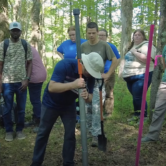
KENTUCKY: The CLIMBS Learning Hub is where science gets its boots muddy
Led by Dr. Jen O'Keefe of Morehead State University, along with Amy S. Collick and UK's Jimmy Fox, Kentucky NSF EPSCoR CLIMBS faculty and students from across Kentucky gathered in Rowan County last summer for an interdisciplinary field day at the Sphagnum Swamp, extracting core samples and learning how to use them to reconstruct the climate record of this unique wetland habitat.
WEST VIRGINIA: Transforming Healthcare in Appalachia with AI
DELAWARE: DE-INBRE - The Impact of a State-wide Mentoring Network on Biomedical Research Capacity
New Research from Delaware INBRE - Mentoring can contribute significantly to the organizational performance of all stakeholders in academic settings. This case example from the Delaware IDeA Network of Biomedical Research Excellence (DE-INBRE) demonstrates the impact of targeted and sustained investment in research infrastructure and mentoring on a research ecosystem.
RHODE ISLAND: NSF-backed research program supporting seven transdisciplinary collaborations across RI
The Rhode Island Network for Excellence in Science & Technology (RI-NEST) proudly announces its first-ever cohort of Seed Grants, providing up to $70K in funding to support innovative research at institutions of higher education across the state.

NEVADA: HDRFS Controlled Burns
Nevada EPSCoR is excited to share the final look at the #HDRFS Controlled Burns experiment. This video powerfully pairs field footage with expert research analysis, demonstrating exactly how #NSFfunded research is transforming fire science in Nevada.
DELAWARE: Engaging Undergraduate Students in Online Data Science Research: Implementation and Impact of a Summer Research Program During COVID-19
New Research from Delaware INBRE - Paid full-time summer undergraduate research programs (SURPs) increase persistence in science, technology, engineering and math (STEM) degrees and later careers. Research disruptions during the summer of 2020 due to the COVID-19 pandemic required a transition to Emergency Remote Teaching (ERT) and created the opportunity to explore whether online-only SURPs were feasible.

SOUTH CAROLINA: Meet Presbyterian College’s Drs. De La Cruz, Gordon and Students
Meet Presbyterian College’s Drs. Ladie Kimberly De La Cruz, assistant professor of chemistry, and Stuart Gordon, assistant professor of biology, and students Alana White and Yasmeen Rasasi. De La Cruz, Gordon and students have a new publication, “Effects of Low-Dose Carbon Monoxide on Antibiotic Efficacy,” in microPublication Biology.
MAINE: UMaine and Colby College partner to improve forest health and monitoring
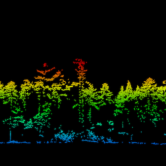
In a state where the majority of land is covered by forests, monitoring them is critical to understanding and maintaining their health. Forests are constantly changing based on the environment, now more than ever with increased drought conditions in Maine. To understand these changes, there needs to be comprehensive data available to stakeholders in the forest industry.
OKLAHOMA: Shen targets safer firefighting with advanced hydrogel technology
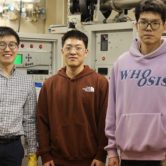
With support from a new NSF EPSCoR Research Fellows award, Oklahoma State University is leading the way in next-generation fire suppression technology through the work of Shen, assistant professor of fire protection and safety engineering technology in the
School of Fire, Construction and Emergency Management.