NEW HAMPSHIRE: Scientists introduce theoretical method to produce light in a vacuum
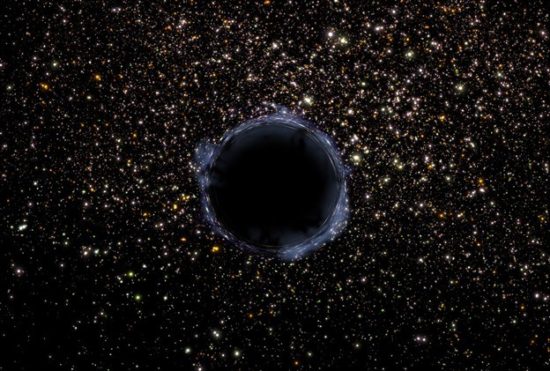
A new theory suggests that light can escape vacuums. Researchers from Dartmouth College funded by the NSF have developed a theoretical method to produce light from an electromagnetic vacuum, something once thought unobservable. The research sheds light on the nature of black holes and their massive gravitational pull.
The team published its findings in Communications Physics. The scientists propose that using photon detectors in an electromagnetic vacuum and enhancing the output to increase visibility demonstrates that photons can escape a vacuum.
Producing light in a vacuum, essentially creating light from nothingness, will deepen the understanding of the physical properties of black holes. The research will help unravel the mysteries of quantum physics, including the theory of relativity and equivalence principle.