NEVADA: Global study of hypoxia in rivers by UNR NSF-funded researcher shows it is more prevalent than previously thought
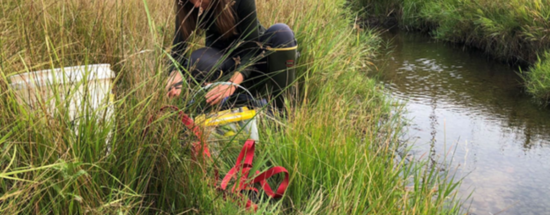
New research by Joanna Blaszczak of the University of Nevada, Reno and her colleagues shows that hypoxia in rivers and streams is more prevalent across the globe than previously thought. Hypoxia occurs when oxygen levels in surface waters become depleted, which can be harmful to aquatic species and can increase production of greenhouse gases from rivers.
The U.S. National Science Foundation-supported study, published in the journal Limnology and Oceanography Letters, compiles more than 118 million readings of dissolved oxygen and temperature taken from more than 125,000 locations in rivers across six continents and 93 countries. The study spans more than 100 years, from 1900 to 2018.
"Hypoxia in coastal waters and lakes is widely recognized as a detrimental environmental issue, yet we have lacked a comparable understanding of hypoxia in rivers," Blaszczak said. "While 12.6% might not seem like a huge percentage, it was thought that occurrences of hypoxia in rivers and streams were exceedingly rare. Having shown hypoxia in one of every eight river locations is a game-changer in terms of how we need to think of and give attention to the issue of hypoxia in rivers and streams."
The research showed a dramatic difference in results between older methods and newer technology. "We find that if we only sampled during the day every day, between 8 a.m. and 5 p.m., it would under-detect the number of river locations with hypoxia by about 25%," Blaszczak said.