MAINE: NSF-funded study finds antarctic deep-sea coral larvae may be resistant to climate change
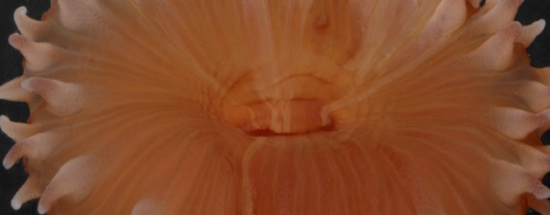
The larval health of an Antarctic cold-water coral species may be resistant to warming water temperatures, a University of Maine study finds, bringing new hope for the climate change resilience of deep-sea ecosystems in the Western Antarctic Peninsula. The study was published in the journal Coral Reefs. The research was funded by the NSF.
"Although their habitat is now changing faster than other places around the world, most marine animals in the Southern Ocean are thought to have a limited capacity to adapt to environmental shifts," says Julia Johnstone, principal author of the study. "Especially during the larval stage, when developmental processes are organizing and laying the foundations for key life-long functions like prey capture and growth, those environmental changes can have an outsize impact."
The study suggests that these larvae are tolerant of warming temperatures during their most sensitive stages, which, the scientists say, is significant for the rapidly changing deep-sea ecosystem of the West Antarctic Peninsula.