LOUISIANA: LSU chemists unlock the key to improving biofuel and biomaterial production
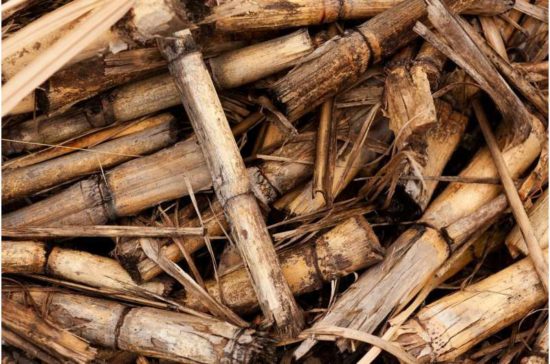
As the world searches for and demands more sustainable sources of energy and materials, plant biomass may provide the solution by serving as a renewable resource for biomaterials and biofuel production. However, until now, the complex physical and chemical interactions in plant biomass has been a challenge in post-harvest processing.
In a new study published today in Nature Communications, LSU Department of Chemistry Associate Professor Tuo Wang and his research team reveal how carbohydrates interact with lignin to form plant biomass. This new information can help advance the development of better technology to use biomass for energy and materials.
The Wang research team examined the nanoscale assembly of lignocellulosic components in multiple plant species, including grasses and hardwood and softwood species. The grasses contain many food crops, such as maize, and are the primary feedstock for biofuel production in the U.S.. Woody plants, often used for building construction materials, have become promising candidates for the next generation of biofuel to reduce the dependence on food crops.
Portions of this work was sponsored by grants from the DOE and NSF.
“We discovered that the hemicellulose xylan uses its flat structure to bind cellulose microfibrils and primarily relies on its non-flat structure to associate with lignin nanodomains,” Wang said. “However, in the tightly packed woody materials, cellulose is also forced to serve as a secondary interactor with lignin.”
Read the paper: Kirui, A., Zhao, W., Deligey, F. et al. Carbohydrate-aromatic interface and molecular architecture of lignocellulose. Nat Commun 13, 538 (2022).