LOUISIANA: Despite variant's contagion, research shows us the way to fight coronavirus
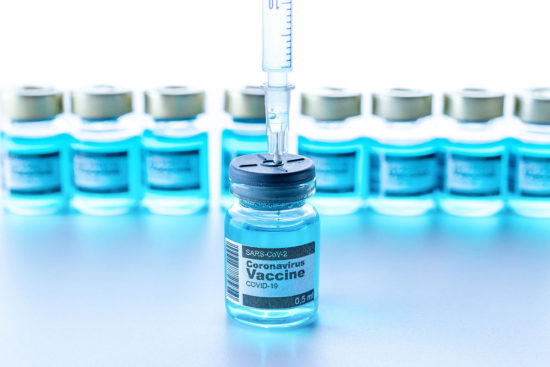
The University of Louisiana at Lafayette played a key role in helping to develop Pfizer/BioNTech’s COVID-19 vaccine and has used its research to help the city of New Orleans create a COVID-19 action plan to vaccinate remote residents and to reduce the virus' spread. "We do research for a reason. For us, there is nothing more impactful, meaningful or urgent," said Ramesh Kolluru, vice president of research, innovation and economic development. More
Jane Fontenot, a researcher at UL Lafayette’s New Iberia Research Center, published her account of the university’s role in that large, life-saving effort in the peer-reviewed journal Nature early this year.
She wrote that rhesus macaques at the New Iberia facility were immunized as part of non-human primate clinical trials of the vaccine. The UL Lafayette staff at that facility administered vaccines, collected samples and observed the animals for problems — evidence of pain, elevated temperatures, loss of appetite or other concerning symptoms — that might have affected people who took the vaccine. A month later, the animals were exposed to COVID-19 under controlled conditions by researchers in Texas. The rest of the story we now know.