KENTUCKY: UofL research extending usable life of heart tissue could help speed medical innovation
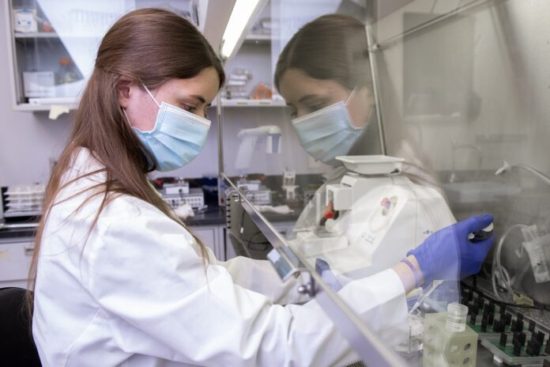
University of Louisville research could help spur new medicines by extending the usable life of test heart tissue from one day to 12. The findings were published in the journal Nature – Communications Biology.
“We’ve created a complete cardiac cycle within the chamber, so the heart tissue stays pumping and viable for longer,” said Tamer M. A. Mohamed, an associate professor of medicine who led the research. “This system will save time and costs of clinical trials during Phase 1 research, which includes testing for toxicity and proof of efficacy.” Research was supported in part by grants from NIH and DOD.
Biomedical researchers use slices of heart tissue to test the effectiveness and toxicity of new drugs, drug candidates and gene therapies. Until recently, the limited, 24-hour usable life of those slices created a major barrier to drug discovery, slowing down the development of new, potentially life-saving medications.
UofL methods, developed by a multidisciplinary team from the School of Medicine and J.B. Speed School of Engineering, extended the tissue’s usable life first to six days with a discovery in 2019, and now to 12 days, by mimicking the conditions experienced by a living heart. The tissue “lives” in a pneumatic chamber, receiving electrical stimulation and nutrition and pumping air instead of blood.