KENTUCKY: Damaged Lungs Breathe Life into UK COVID Research
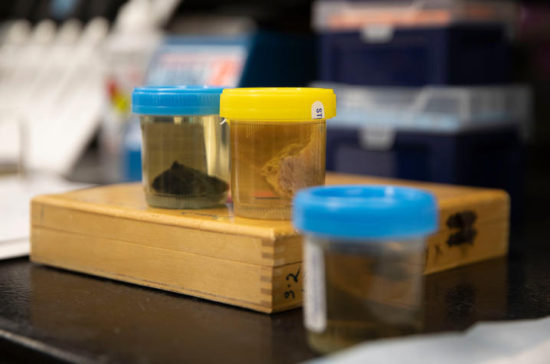
A small black lump, about an inch or so in width, rests on the bottom of a sealed plastic container. It doesn’t look like much – in fact, it doesn’t look like anything. But this little black lump has untold potential, full of secrets for the researchers at Kentucky Research Alliance for Lung Disease (K-RALD) to discover about the pandemic that has ravaged the world for more than two years. Researchers at K-RALD are involved in a number of clinical trials, consortiums and networks dedicated to improving the outcomes of patients with lung disease. They are looking for markers, trying new medications and developing new methods for identifying how diseases affect lung tissue on the molecular level. Their work is published and shared around the world, becoming part of a global collaboration dedicated to curing lung disease and improving not just a patient’s outcome, but their quality of life.
“We’ve actually been collecting samples from transplant patients before COVID-19 hit,” said Jamie Sturgill, Ph.D., assistant professor for Microbiology, Immunology and Molecular Genetics in the UK College of Medicine. “We have a clinical partnership with the hospital and the transplant team, so we already had the infrastructure in place for our biobank.”
“Other universities who don’t have pulmonary critical care biobanks like ours aren’t really able to do this type of research,” Sturgill said. “Because we already had this in place before COVID, we are actually able to compare on a molecular level what happens to a lung that is scarred from COVID to a lung that is scarred from another lung disease.”