IDAHO: Researcher recently interviewed for Science Friday
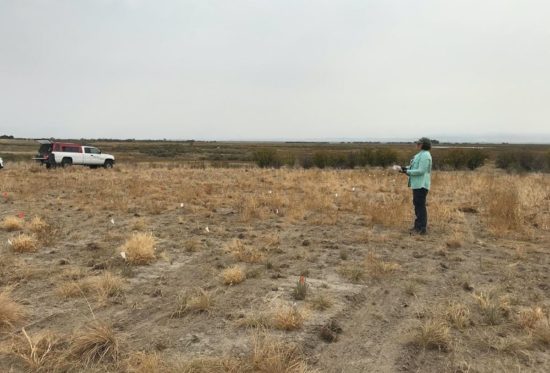
The big sagebrush is far from your typical tumbleweed. In the dry landscape of the American West, the sun catches the plant’s fine silver hair like light reflecting off a stormy ocean. Growing as tall as your thigh, their lanky limbs seem frozen in a permanently petrified stance.
“They kind of look like tortured little bonsai trees,” says Kathryn Turner, an evolutionary ecologist and assistant professor at Idaho State University. But this delicate bush is an essential native plant for desert wildlife—and it’s under threat.
Eighteen sagebrush species grow throughout North America’s Great Basin, a massive network of watersheds and prairies that spans the arid lands of Nevada, Utah, Idaho, Oregon, and California. Sagebrush growing here creates the largest interconnected habitat in North America, spanning across 175 million acres. This keystone plant supports over 350 species, including the adorable pygmy rabbit and charismatic greater sage-grouse.
Read the full article
Hundreds of years ago, a sea of sagebrush washed over great swaths of the continent, stretching from Northern Canada to Northern Mexico. It’s estimated that sagebrush used to cover more than 280 million acres. But since European colonization, this habitat range has been cut in at least half, according to a 2012 report.
A lot of this loss is due to human activity. When settlers moved west in the mid and late-1800s, “they had these huge herds of grazing animals that basically mowed down all the native plants.” Through the 1920s and 1930s, people intentionally plowed down and burned sagebrush and other native bunchgrasses to make way for livestock, crops and growing cities. “Even in the 1960s, you can find these old pamphlets about how to get rid of this ‘rangeland weed.’”