ALASKA: Study finds increasing potential for toxic algal blooms in a warming Alaskan Arctic
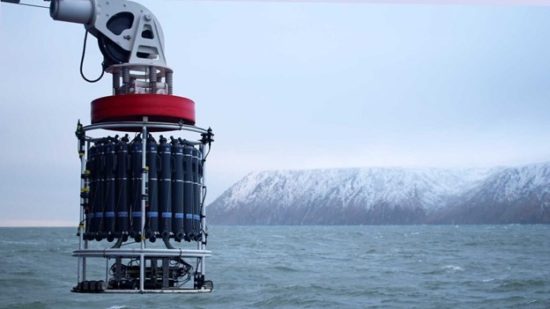
Changes in the northern Alaskan Arctic Ocean have reached a point at which a previously rare phenomenon – widespread blooms of toxic algae – could become more commonplace, potentially threatening a wide range of marine wildlife and the people who rely on local marine resources for food. The NSF study by scientists at the Woods Hole Oceanographic Institution and other institutions looked at samples from seafloor sediments and surface waters collected during 2018 and 2019 in the region extending from the northern Bering Sea to the Chukchi and Beaufort Seas north of Alaska.
When the algae are consumed by fish and shellfish, those toxins can accumulate to levels that can be dangerous to humans and wildlife. In fish, toxin levels may be high in digestive and excretory organs like the stomach, kidney and liver, but are very low in muscle and roe.
"This study is a great example of the interdisciplinary nature of research funded by NSF's Office of Polar Programs, where fundamental science in marine biology and physical oceanography come together to produce societally relevant results to protect coastal communities," said Rainer Amon, a program director in NSF's Office of Polar Programs.