ALASKA: Scientists aim to improve sea ice predictions' accuracy, access
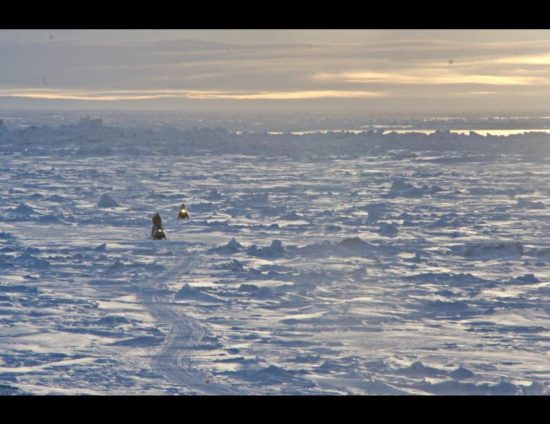
Alaska NSF EPSCoR Boreal Fires co-lead Uma Bhatt is also project lead for the Sea Ice Prediction Network. SIPN formed shortly after the then-record Arctic sea ice minimum of 2007. Bhatt said the SIPN team hopes to work with the Alaska maritime industry, especially the Bering Sea snow crab fishermen, to make ice forecasts even more accurate and useful to those who work in or live next to the world’s polar waters and to scientists studying sea ice decline and the Arctic climate.
Sea ice predictions have improved markedly since the founding of an international forecasting and monitoring network 14 years ago.
“These forecasts are quite encouraging in their increasing accuracy,” said Uma Bhatt, an atmospheric sciences professor at the University of Alaska Fairbanks Geophysical Institute. Bhatt spoke about the Sea Ice Prediction Network at the American Geophysical Union’s annual meeting last month.