ALASKA: New NSF-supported research explains "Atlantification" of the Arctic Ocean
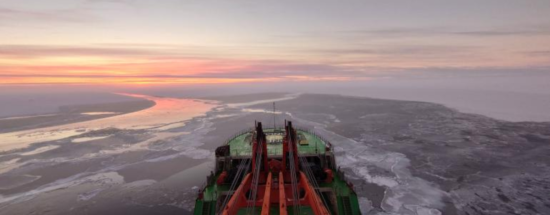
New research by an international team of scientists describes the causes for the stalled trend in Arctic Ocean sea-ice loss since 2007. Environmental responses to the Arctic dipole are described in a paper published in the journal Science. The analysis helps explain how North Atlantic water influences the Arctic Ocean climate. Scientists refer to this phenomenon as Atlantification.
The NSF-supported research is led by Igor Polyakov of the University of Alaska Fairbanks.
"This is a multidisciplinary view on what's going on in the Arctic and beyond," Polyakov said. "Our analysis covered the atmosphere, ocean, ice, changing continents and changing biology in response to climate change."
"Evidence of Atlantification in the Arctic demonstrates that local to regional changes in atmospheric processes and ocean properties have implications for understanding and forecasting Earth climate systems arising from a changing Arctic," said Roberto Delgado, a program director in NSF's Office of Polar Programs.