ALABAMA: UAB Researchers have mapped cells playing a key role in the brain
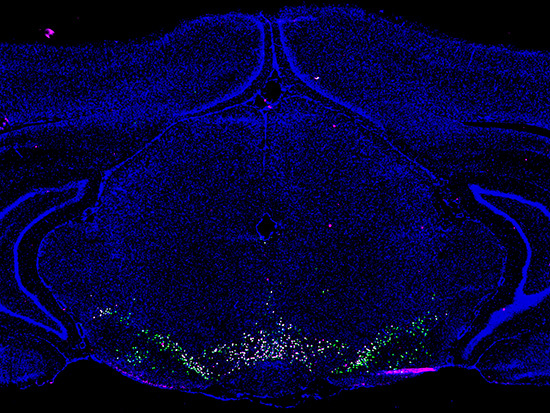
Researchers at the University of Alabama at Birmingham have mapped 16 groups of cells that play a key role in how dopamine and other neurotransmitters travel through the brain. By identifying the cell groups in the brain's ventral tegmental area, UAB researchers laid the building blocks for future research on how the groups interact and connect to the rest of the brain in people with addiction, attention-deficit/hyperactivity disorder and other neurological conditions.
This research was partially funded by grants from the NIH.
Though it was well known that the VTA is composed of heterogeneous cell types, the UAB atlas expands those studies in several key ways.
“For example, previous single-cell sequencing studies were conducted exclusively in the mouse brain and have relied primarily on sequencing a subset of fluorescence-activated cell sorting-isolated midbrain dopaminergic populations, rather than sampling all VTA cell types,” corresponding author Jeremy J. Day said. “Notably, our sequencing dataset focuses exclusively on VTA sub-regions, unlike other studies that have focused on pooled cells from the mouse substantia nigra and VTA or a subset of fluorescently tagged cells from general midbrain regions.”