ALABAMA: NSF-supported researchers delve into the fusion of computational modeling and experimental biophysics (feat. Auburn University)
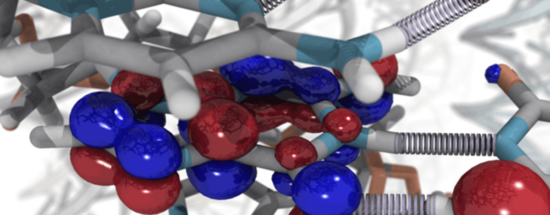
In a paper in Biophysical Journal, biophysicist Rafael Bernardi of Auburn University and his colleagues shed light on the capabilities of the next generation of supercomputers in reshaping the landscape of biophysics.
The NSF-supported researchers delve into the fusion of computational modeling and experimental biophysics, providing a perspective for a future in which discoveries are made with new precision.
"The new exascale computers allow computational biophysicists to go beyond what can done experimentally and simulate biological processes with a much higher level of detail," says Bernardi. "For instance, we can now understand how pathogenic bacteria bind to humans during infection at an atom level, generating data for AI models and opening new roads of exploration."
The momentum gained by computational biophysics signifies a monumental shift, scientists believe. As biophysical research progresses, the seamless integration of experimental and computational efforts is expected to redefine the frontiers of knowledge, says Bernardi, laying the groundwork for discoveries that could reshape our understanding of the biological world.